Today’s Theme: The Future of Gaming — VR’s Role in Enhancing Experiences

Step into tomorrow’s play space where presence replaces pixels. Chosen theme: The Future of Gaming: VR’s Role in Enhancing Experiences. Join us, subscribe for weekly deep dives, and tell us how VR already reshaped the way you play.

Presence Over Pixels: Why VR Feels Different

From Screens to Scenes

Presence is the magic that convinces your brain you’re inside the world, not observing it. I once reached to pet a virtual dragon and nearly bumped a lamp—proof that VR persuades body and mind together.

Embodied Interaction

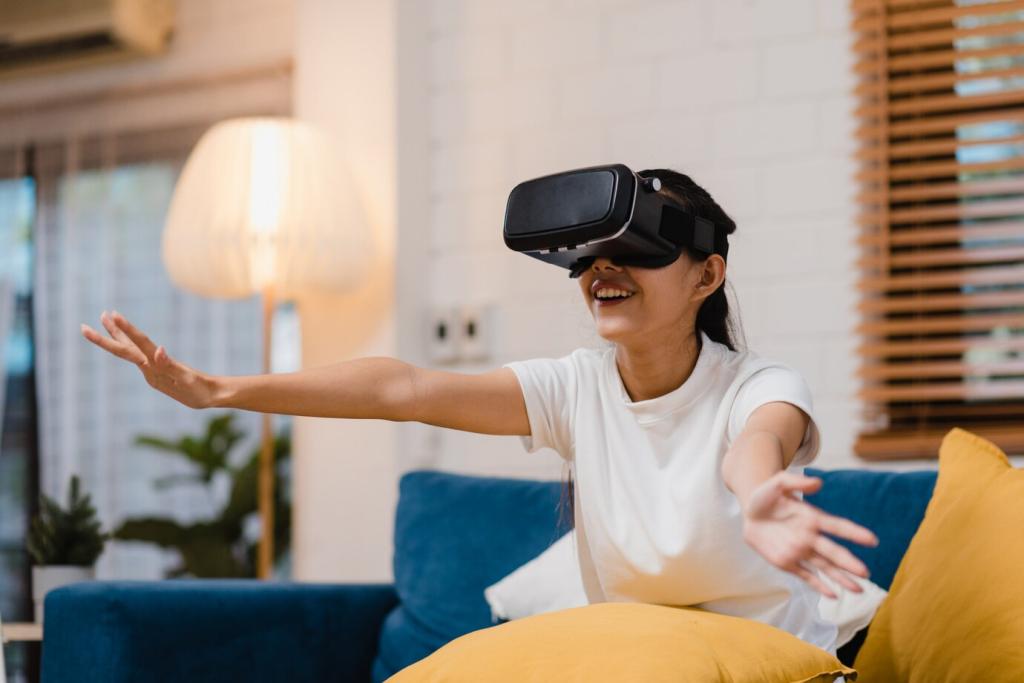
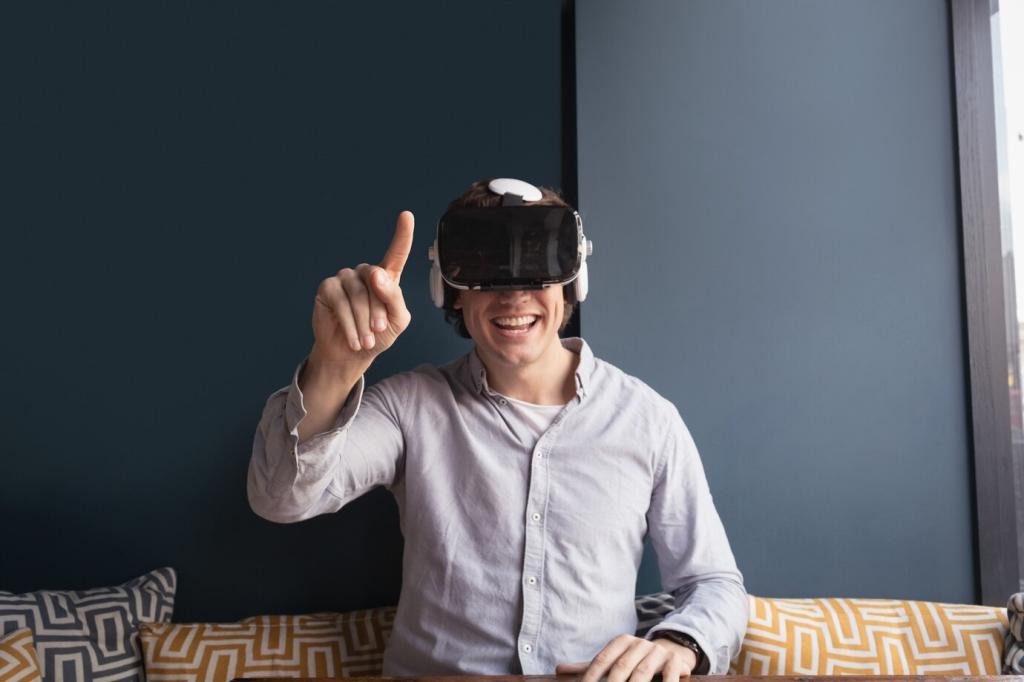
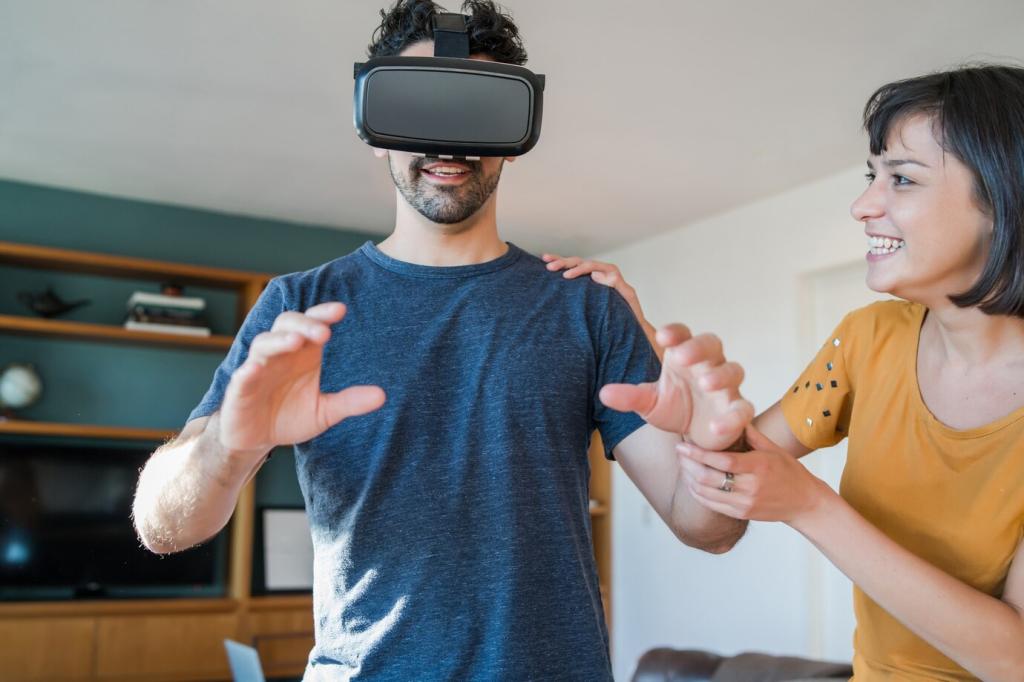
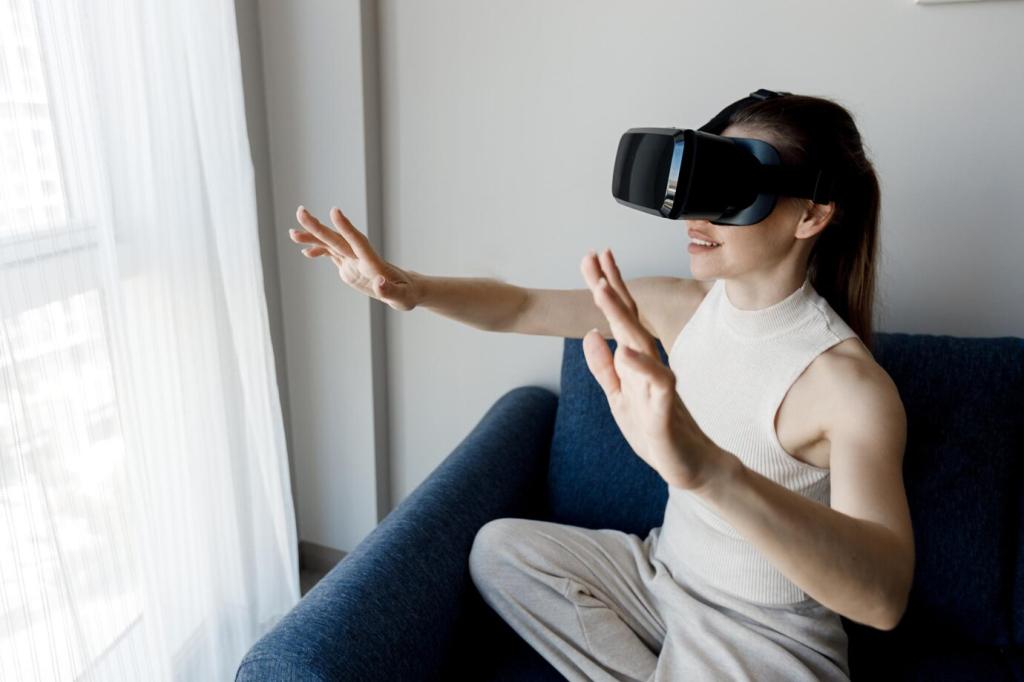
Hand tracking and natural gestures replace button combos with intuitive movement. You crouch, reach, and lean as if the virtual is tangible. What gesture-driven mechanic would most transform your favorite game? Share your dream interaction below.

Spatial Audio as Compass

In VR, sound guides attention and emotion. A distant creak pulls you left; a whisper behind places you in a living scene. Try headphones, then revisit a level—notice how your instincts, not a mini-map, lead.

Social Worlds: Multiplayer VR That Feels Like Gathering

Eye tracking enables glance-based communication, subtle nods, and smiles that land. Suddenly, strategy talks feel intimate and jokes land better. It’s not just voice chat; it’s body language restored to digital spaces.

Designing for Comfort: Motion, UI, and Onboarding

Locomotion Without Nausea

Snap turns, vignette during acceleration, and arm-swing locomotion reduce sensory mismatch. Give players options, not prescriptions. The best approach? A comfort menu that invites experimentation and remembers preferences automatically.

Diegetic Interfaces

Turn menus into objects: a wristwatch inventory, a desk map, a floating compass pin you can grab. Interfaces become part of the fiction, reducing clutter while keeping information accessible and believable.

Onboarding That Teaches the Body

Tutorials should be playful and physical: toss a ball to learn grab, duck to discover cover, peek to spot enemies. Embodied learning sticks faster than text prompts and builds confidence from minute one.

Hardware Horizons: The Tech Making VR Magic

Pancake lenses thin headsets and sharpen edges; wider fields of view deepen immersion. Better clarity reduces reading strain and makes distant enemies legible. Suddenly, exploration feels natural instead of compromised.

Hardware Horizons: The Tech Making VR Magic

Eye tracking enables foveated rendering, focusing detail where you look and saving performance elsewhere. It also powers subtle social cues. Expect more reactive worlds and smoother graphics on modest hardware.
Storytelling Reimagined: Narrative in 360 Degrees

Agency and Consequence You Can Touch

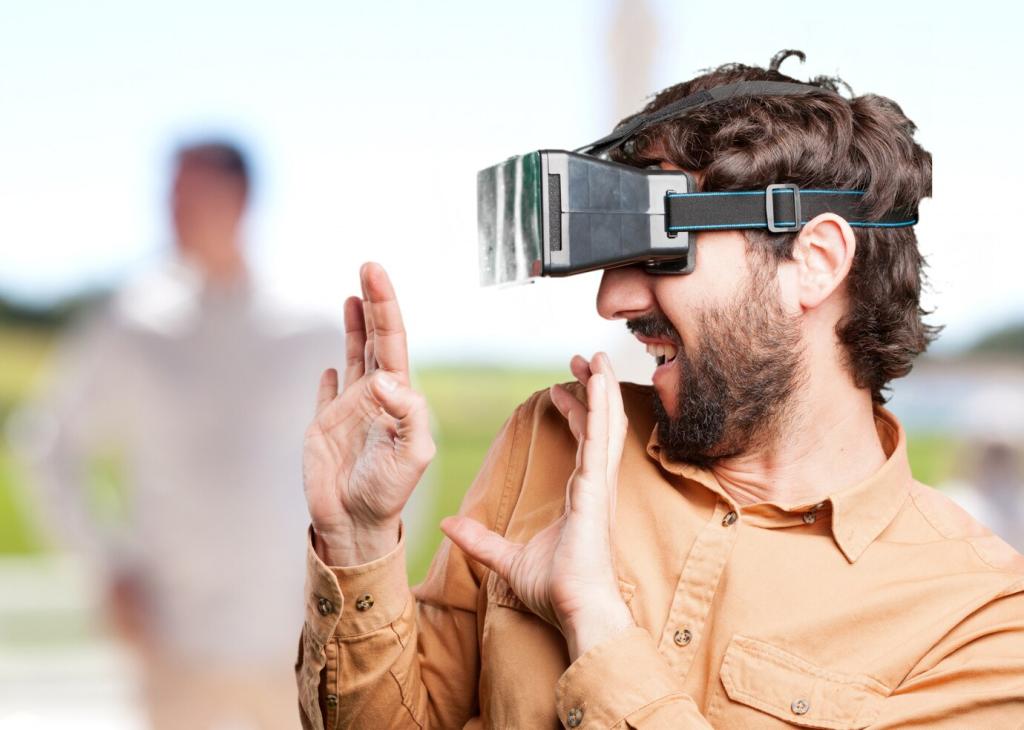
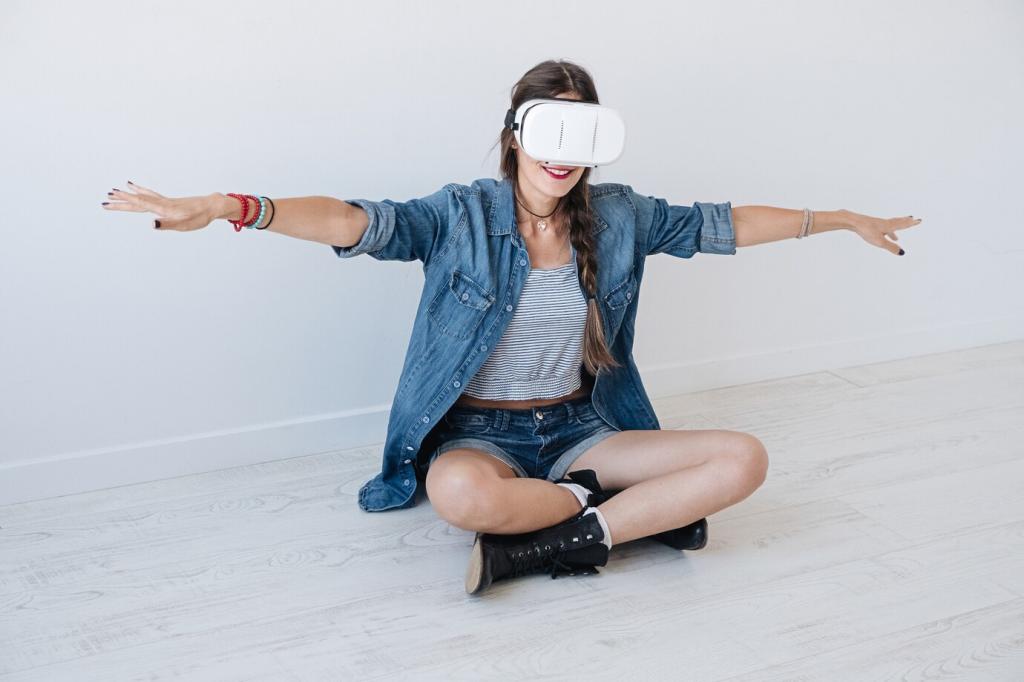
Picking up an artifact, placing it differently, or choosing where to stand can alter outcomes. Decisions feel weightier when your hands carry them. Designers choreograph choice through space instead of dialogue menus.

Directing Attention Without a Frame

In 360 degrees, creators guide eyes using light, sound, movement, and character staging. A flickering lantern or trailing footprints becomes a director’s pointer. You explore, yet the story still breathes in rhythm.

Micro-Moments of Wonder

VR thrives on intimate scale: dust motes in a sunbeam, a character whispering inches away, a puzzle solved by peering under a shelf. These details forge memories that linger long after credits roll.
Covuatv
Privacy Overview

This website uses cookies so that we can provide you with the best user experience possible. Cookie information is stored in your browser and performs functions such as recognising you when you return to our website and helping our team to understand which sections of the website you find most interesting and useful.