Redefining Gaming Environments with Virtual Reality
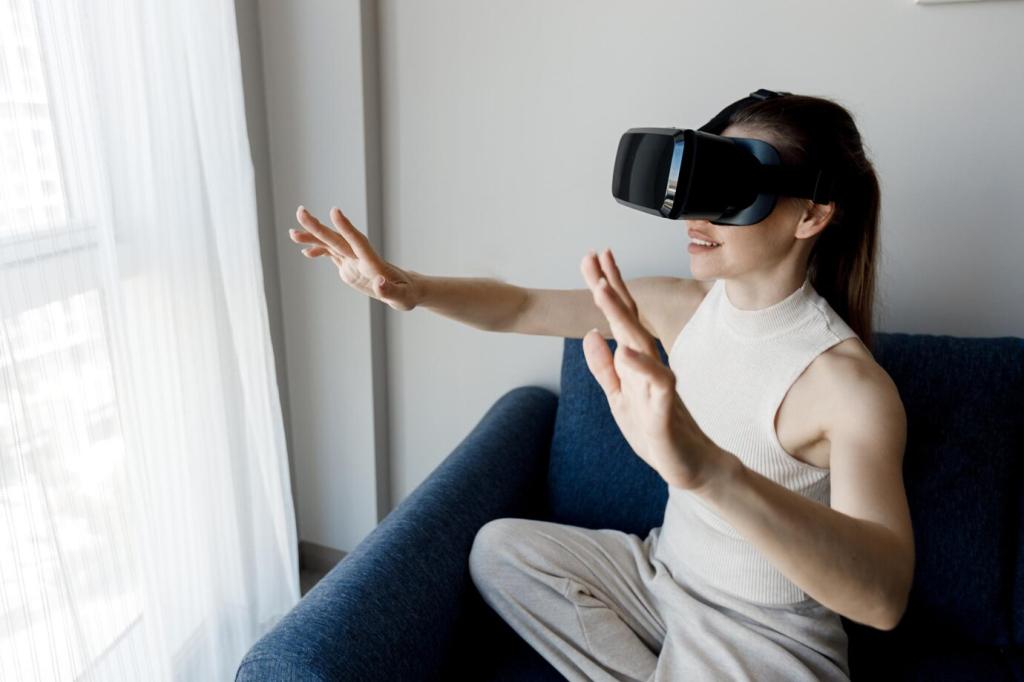
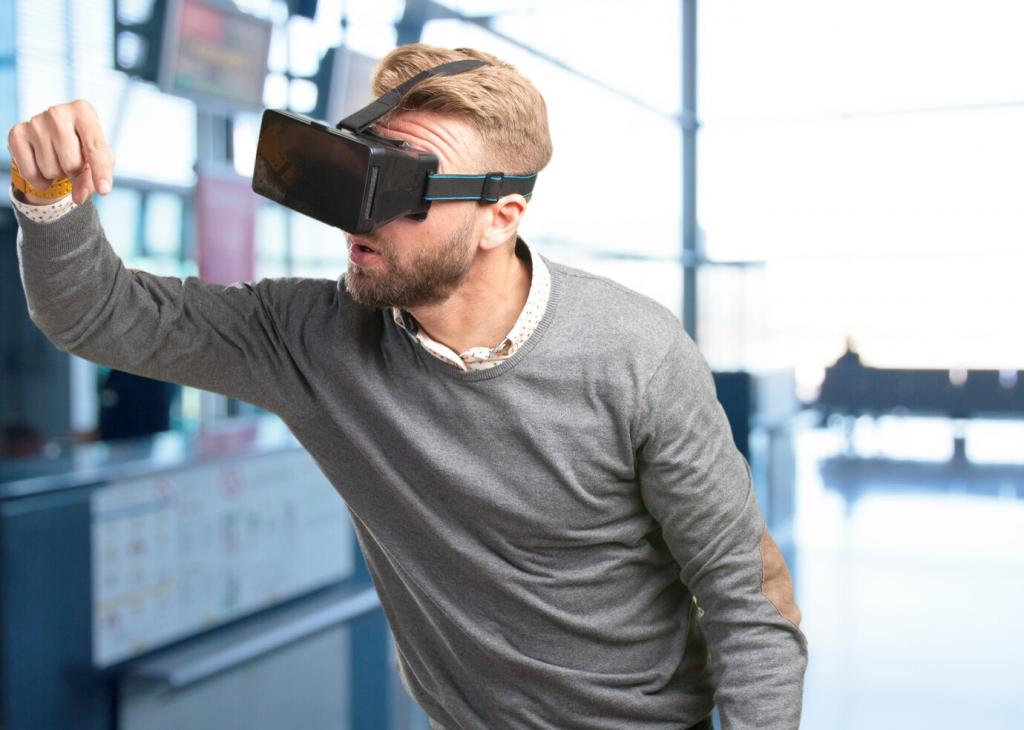
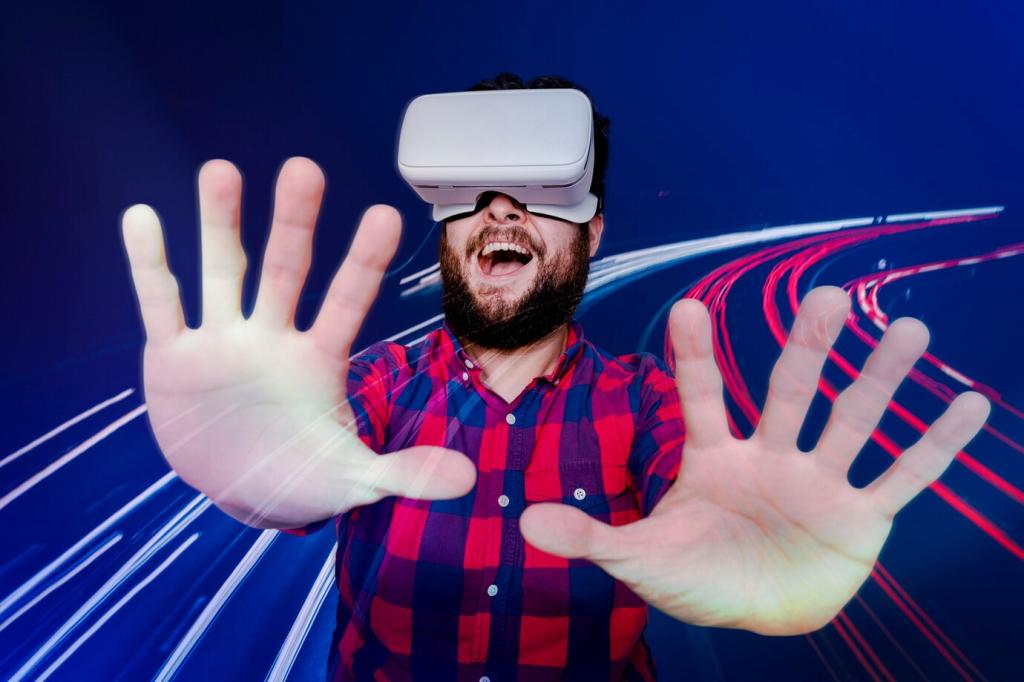
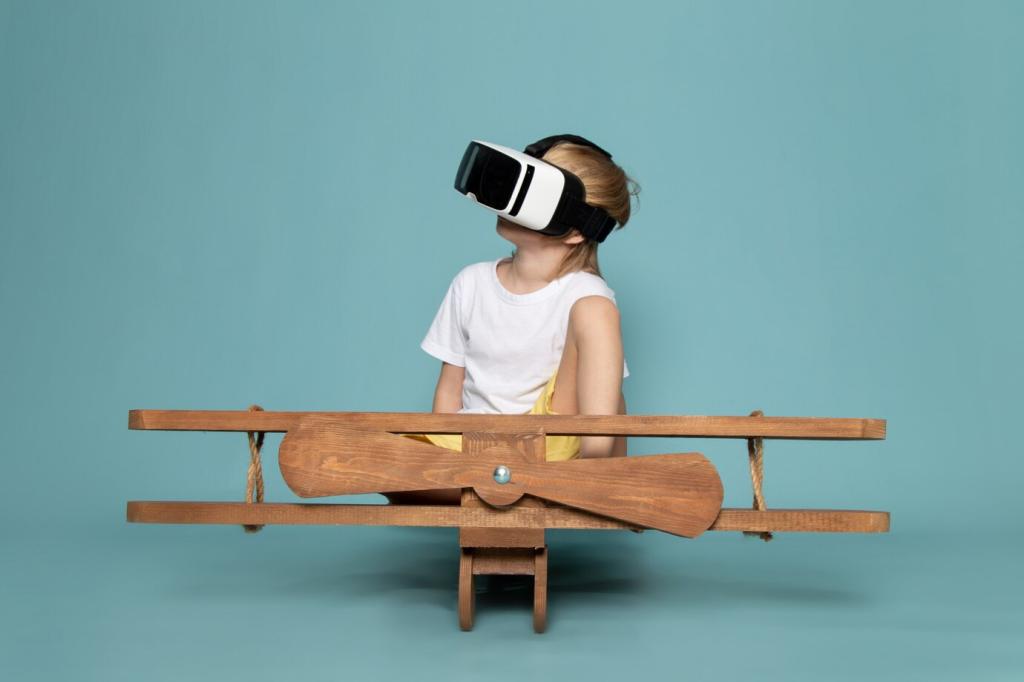
Chosen theme: Redefining Gaming Environments with Virtual Reality. Step into worlds that notice your gaze, respond to your hands, and reshape space around your breath. This home page explores how VR transforms play into presence, mechanics into movement, and levels into living places. Subscribe and share your first unforgettable VR moment to help guide future deep dives.
A New Sense of Presence: Rebuilding Space Around the Player
When your hands appear exactly where you expect, trust grows. Proper IPD calibration, consistent controller offsets, and reliable hand tracking make the brain adopt a virtual body. I still remember reaching for a digital lever and feeling my shoulders brace, as if steel weighed in my tendons.
A New Sense of Presence: Rebuilding Space Around the Player
VR lets designers sculpt feelings by stretching or shrinking space. A giant mech towering two floors above you is not just big; it is humbling. A whisper from behind your left shoulder turns curiosity into caution. Tell us about the moment scale surprised you most.
Comfort First, Always
High refresh rates like 90 or 120 hertz, stable frame times, vignette options, and gentle snap turns reduce mismatch between eyes and inner ear. I once fixed a tester’s nausea entirely by stabilizing horizon references during acceleration. They stayed for an extra hour, grinning.
Locomotion Choices and Trade-offs
Teleport grants comfort and clarity; smooth locomotion offers flow and mastery; arm-swinging and room-scale provide embodiment. Each choice shifts level pacing, difficulty, and accessibility. Share which locomotion you prefer and why, so we can compare player preferences in future posts.
Designing Spaces for VR Bodies
Great VR levels embrace human scale: readable doorways, waist-high counters, safe edges, and rest zones near landmarks. Micro-cover, gentle slopes, and anchored vistas reduce disorientation. Comment if you want a downloadable checklist for comfort-aware level design in your next prototype.
Natural Interaction: Hands, Haptics, and Interfaces You Can Touch
Hand Tracking and Intuitive Gestures
Pinch to pick up, pinch-and-drag to move UI, and relaxed grips for tossing objects feel natural when affordances are clear. Subtle pose hints, collision tolerance, and visual magnetism reduce fumbling. Tell us which gesture felt most magical the first time you tried it.
Haptic Language That Speaks Feelings
Vibration is vocabulary. Short ticks for clicks, rolling pulses for tension, and soft thuds for impact turn invisible mechanics into tactile truth. A favorite prototype used a rising buzz to teach lock-picking pressure, and players learned without a single text prompt.
Diegetic Interfaces, Not Floating Windows
Wrist menus, helmet HUDs, and in-world screens respect context and scale. Tools that physically snap to belts, ammo that clicks into magazines, and maps that unfold in your hands reduce cognitive load. Subscribe if you want our field-tested patterns for interface clarity in VR.
Expressive Avatars and Identity
Inverse kinematics, eye gaze proxies, and mouth movement synthesis convey intent even with simple art. A shrug, a quick head tilt, or a fist bump can replace paragraphs. What avatar trait made you feel most seen in a social VR session?
Proximity Voice and Shared Attention
Spatial audio transforms coordination. Whisper near a puzzle, shout across a courtyard, hear echoes down a hall. Designers can gently steer attention with sound beacons. Join the discussion and share your favorite social mechanic that helped a team click instantly.
Safety, Comfort, and Community Health
Personal space bubbles, clear reporting tools, and visible moderation set trust from day one. Onboarding that respects comfort settings keeps newcomers safe. We are compiling community guidelines for positive play; comment with practices that worked in your worlds.
Under the Hood: Performance, Pipelines, and Standards
Rendering where players look saves massive GPU time without hurting clarity. Dynamic foveation can maintain smooth frames under load, protecting comfort. Have you shipped with eye tracking enabled? Tell us what surprised you most about player gaze patterns.
Under the Hood: Performance, Pipelines, and Standards
Reduce draw calls, bake lighting, simplify shaders, and cull aggressively. Profile on-device, not just in editor. Measure input latency, not merely FPS. Subscribe for our step-by-step performance checklist that turns panicked last-week fixes into predictable milestones.
Looking Forward: Mixed Reality, AI Companions, and Cloud VR
Mixed reality uses your walls, tables, and lighting as level geometry. Imagine boss fights that dodge your sofa and puzzles resting on your desk. What passthrough idea would you prototype first in your living room? Share, and we may feature it.