
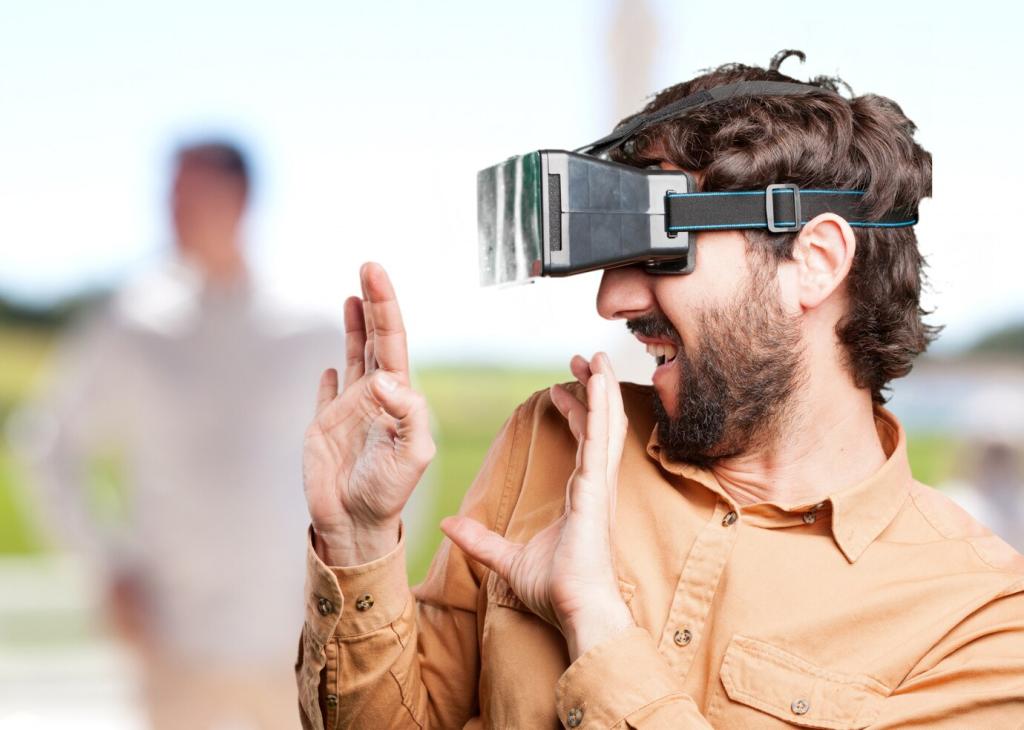
Immersive Gaming: How VR Transforms Player Interaction

Chosen theme: Immersive Gaming: How VR Transforms Player Interaction. Step into play that feels present, social, and expressive. Here, gestures replace buttons, eye contact matters, and your body becomes the controller. Subscribe and share your stories to shape our next deep dive.

Presence and Embodiment: The New Language of Play

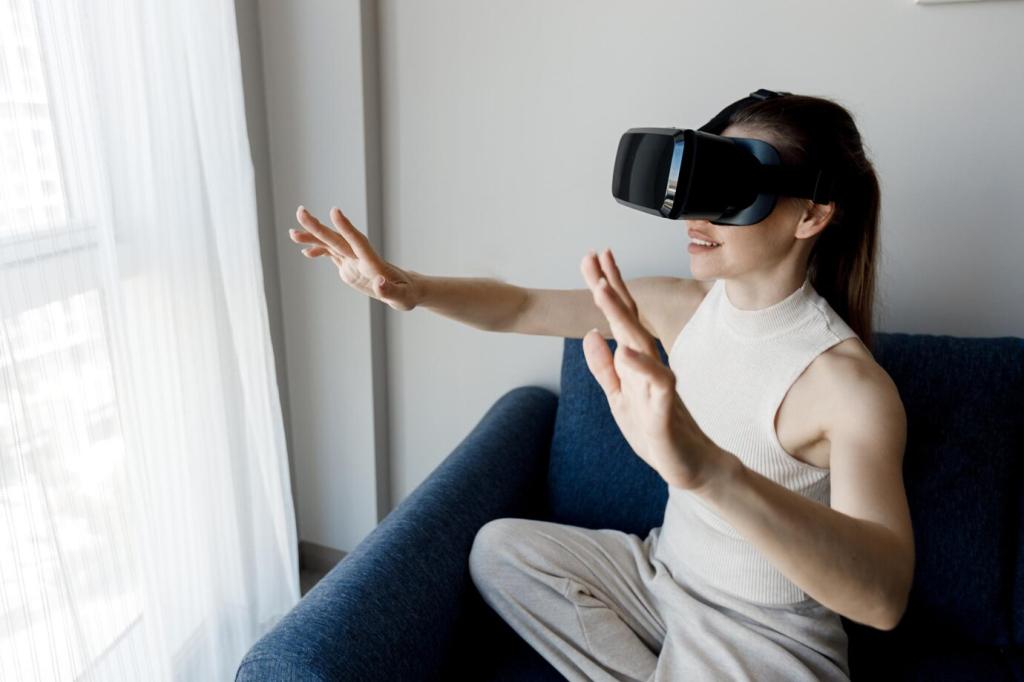
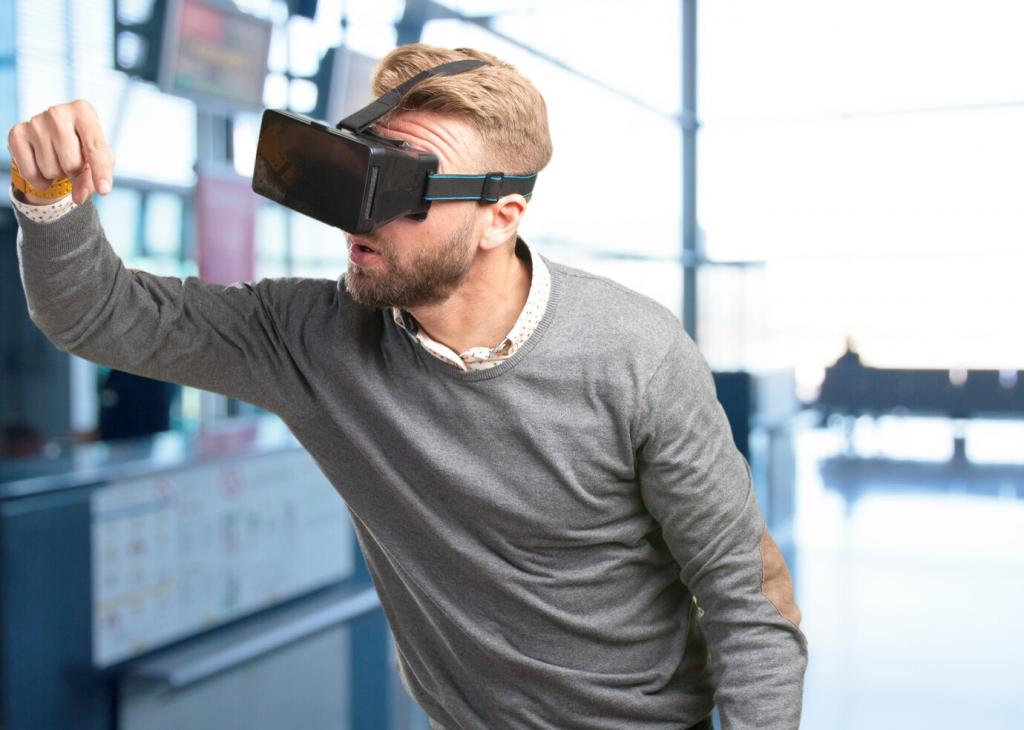
In immersive gaming, interaction shifts from pressing keys to moving naturally—ducking behind a couch, peeking around a corner, or tossing an object. These embodied motions transform coordination and teamwork, inviting creativity and instinct into every decision.

Presence and Embodiment: The New Language of Play

When hand tracking mirrors your gestures and spatial audio places voices around you, your brain accepts the virtual as real. That convincing presence changes behavior—players negotiate space politely, share tools, and even maintain eye contact, altering multiplayer etiquette.

Social VR: From Lobbies to Living Rooms

Avatars with Authenticity

Eye and face tracking add micro-expressions, while full-body IK synchronizes posture and stride. Suddenly, jokes land better, strategy huddles feel intimate, and silence communicates tension. These subtle signals reshape cooperation and conflict, enhancing emotional bandwidth in multiplayer VR.

Anecdote: A Surprise Party in Rec Room

One reader shared hosting a surprise birthday in a custom Rec Room space. Friends hid behind virtual furniture, whispered in spatial audio, then burst out with confetti gadgets. The guest cried—proof that presence and playful tools can make digital gatherings genuinely heartfelt.

Join Our Community Playdate

We host monthly social VR meetups to test new interaction mechanics—charades with hand tracking, cooperative building, and trust games. Subscribe for the invite, bring a friend, and help us rate which features best transform teamwork and empathy in immersive spaces.

Haptics and Spatial Audio: Touching and Hearing Worlds

A light pulse communicates a successful lockpick, while a heavy thud conveys a blocked swing. Advanced controllers and gloves create gradients of feedback that teach timing and technique, making interactions intuitive. Tell us which haptic patterns most changed how you play.

Haptics and Spatial Audio: Touching and Hearing Worlds

Ambisonic sound places footsteps above, behind, or below, altering positioning and team callouts. Whispered hints align collaborators without cluttering HUDs. With clear auditory landmarks, players naturally navigate and coordinate, proving sound design is a crucial interface for VR interaction.

Designing Comfort: Motion, Locomotion, and Wellbeing

01

Locomotion Trade-offs

Teleport preserves comfort but disrupts spatial continuity; smooth movement feels natural but risks discomfort. Hybrid options—arm-swinging, joystick with vignetting, or room-scale routes—let players choose interactions that fit their bodies, maintaining agency without sacrificing wellbeing.
02

Comfort Features That Actually Help

Static horizons, snap turning, and adjustable vignette strength reduce sensory mismatch. Clear diegetic rest points—a bench, a balcony—invite breaks without breaking immersion. These design choices empower longer, kinder sessions where interaction stays joyful instead of exhausting.
03

Check-in: How Long Is Your Ideal Session?

We want your honest habits. Do you thrive on focused thirty-minute bursts, or prefer ninety-minute adventures with gentle pauses? Comment with your comfort profile and headset, and we will tailor future guides for healthier, happier immersive interaction.

Agency and Narrative: Choices You Feel

Rotating ancient dials, aligning constellations with your arms, or carefully balancing a relic changes how narrative choices land. Stakes feel higher because success depends on your steady hands and curiosity, not just dialogue trees or menu selections.

Agency and Narrative: Choices You Feel

In co-op VR, one player steadies a beam while another welds, or one deciphers runes while another holds a lantern. Interaction breeds story: shared relief, shouted instructions, unplanned heroics. These moments define narrative more powerfully than scripted cutscenes.
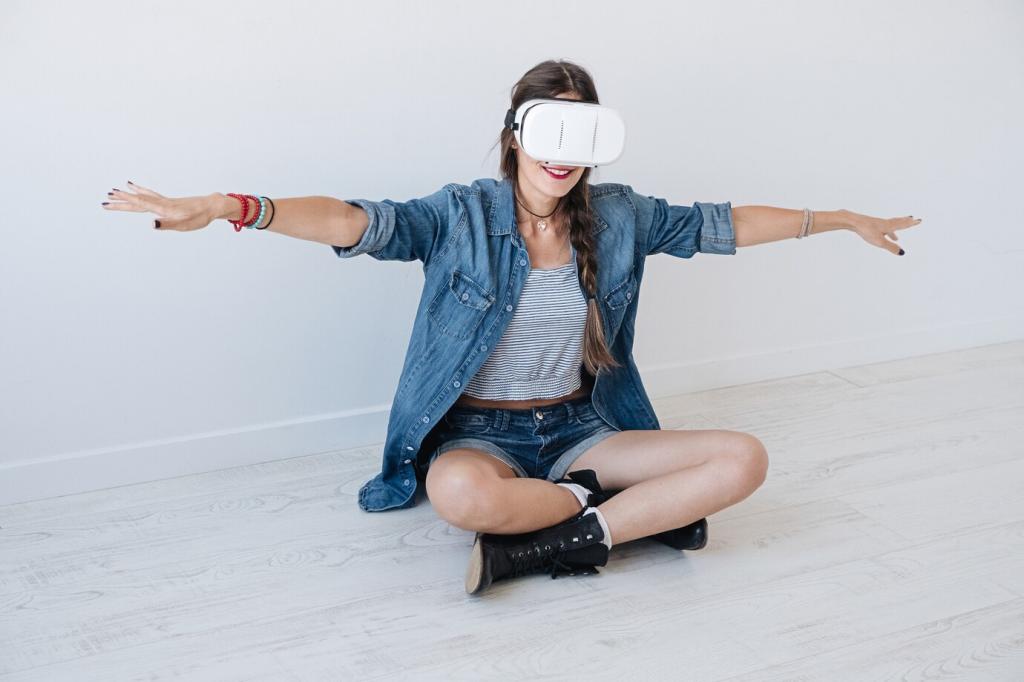
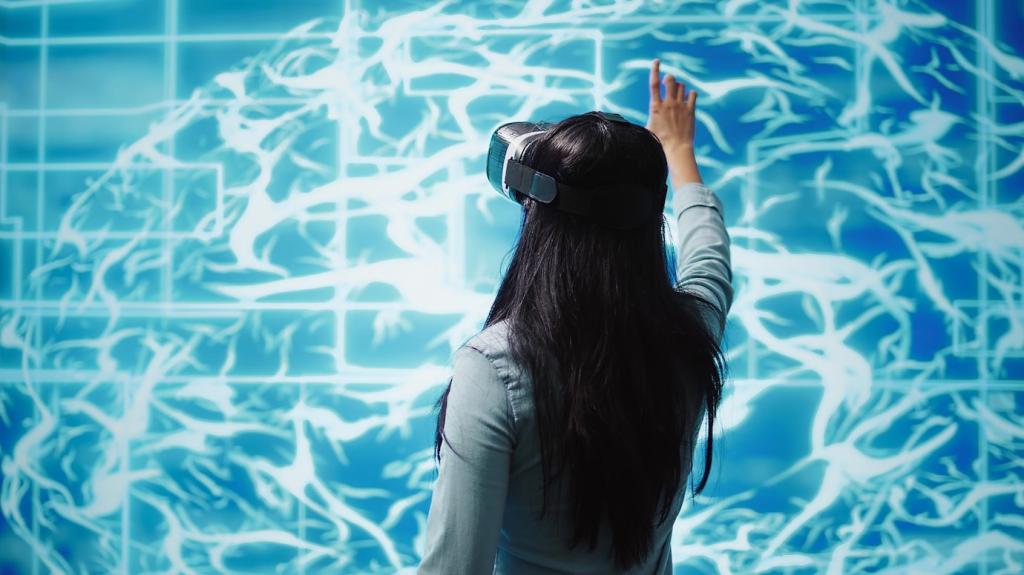
Accessibility and Inclusive Interaction in VR

Height calibration, seated reach modes, adjustable grab thresholds, and remappable gestures make worlds welcoming. Clear contrast, scalable text, and comfortable color palettes support longer sessions. These features expand who can interact deeply, keeping immersive gaming genuinely inclusive.

Accessibility and Inclusive Interaction in VR

Voice commands free hands for action, eye tracking enables precise targeting, and hand tracking removes controller complexity. Together, they offer alternative pathways into play, transforming interaction from a single funnel into a flexible set of choices for diverse players.

Future Horizons: Mixed Reality, Hand Tracking, and Neural Interfaces

Mixed reality brings your real room and friends into the experience—board games on your actual table, collaborative prototypes anchored to walls. This continuity eases onboarding and transforms interaction into something familiar, safer, and surprisingly intimate.

Future Horizons: Mixed Reality, Hand Tracking, and Neural Interfaces

Pinch, grab, and direct manipulation reduce friction, yet demand respectful spacing and clearer signals. Designers now teach gestures, not keybinds. Players adopt new norms—short waves, deliberate points—that make communication faster and more humane in immersive gaming.
Covuatv
Privacy Overview

This website uses cookies so that we can provide you with the best user experience possible. Cookie information is stored in your browser and performs functions such as recognising you when you return to our website and helping our team to understand which sections of the website you find most interesting and useful.